
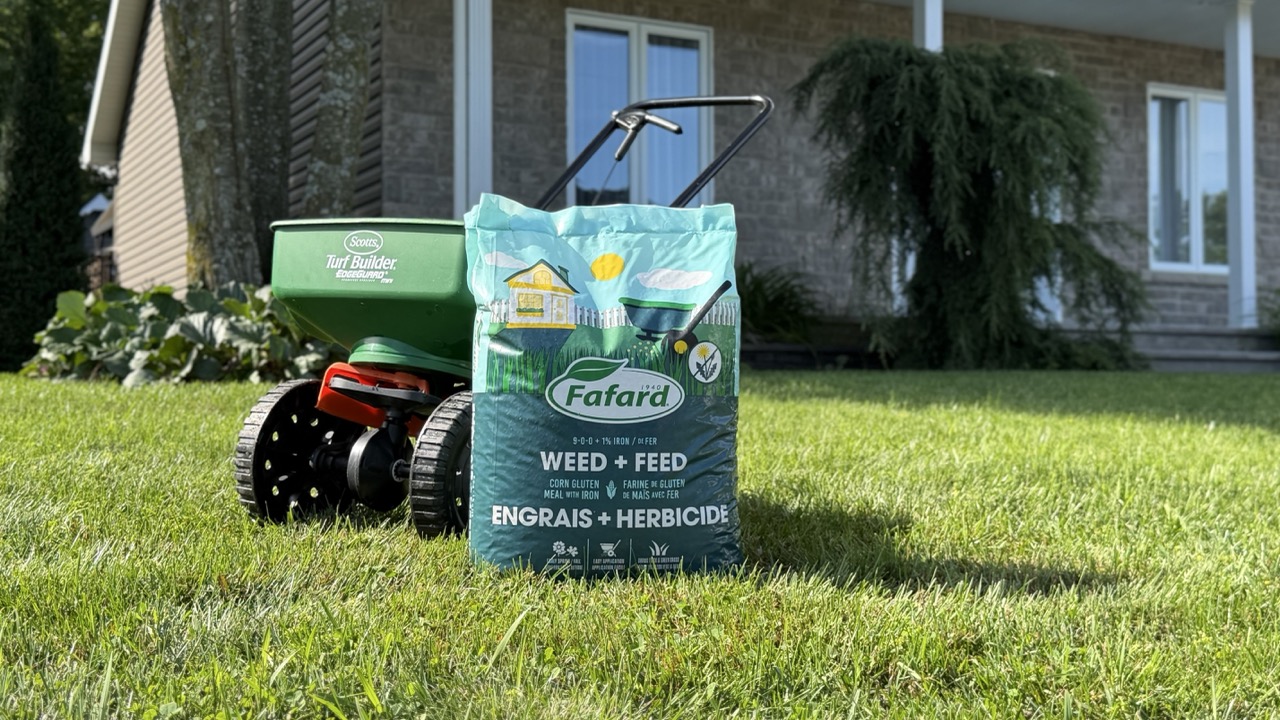
Corn gluten meal is a natural lawn fertilizer that also helps prevent certain weeds from germinating. When applied at the right time before weeds begin to sprout, usually in early spring and activated with light watering, it can help reduce the spread of weeds such as crabgrass and dandelions.
What is corn gluten meal?
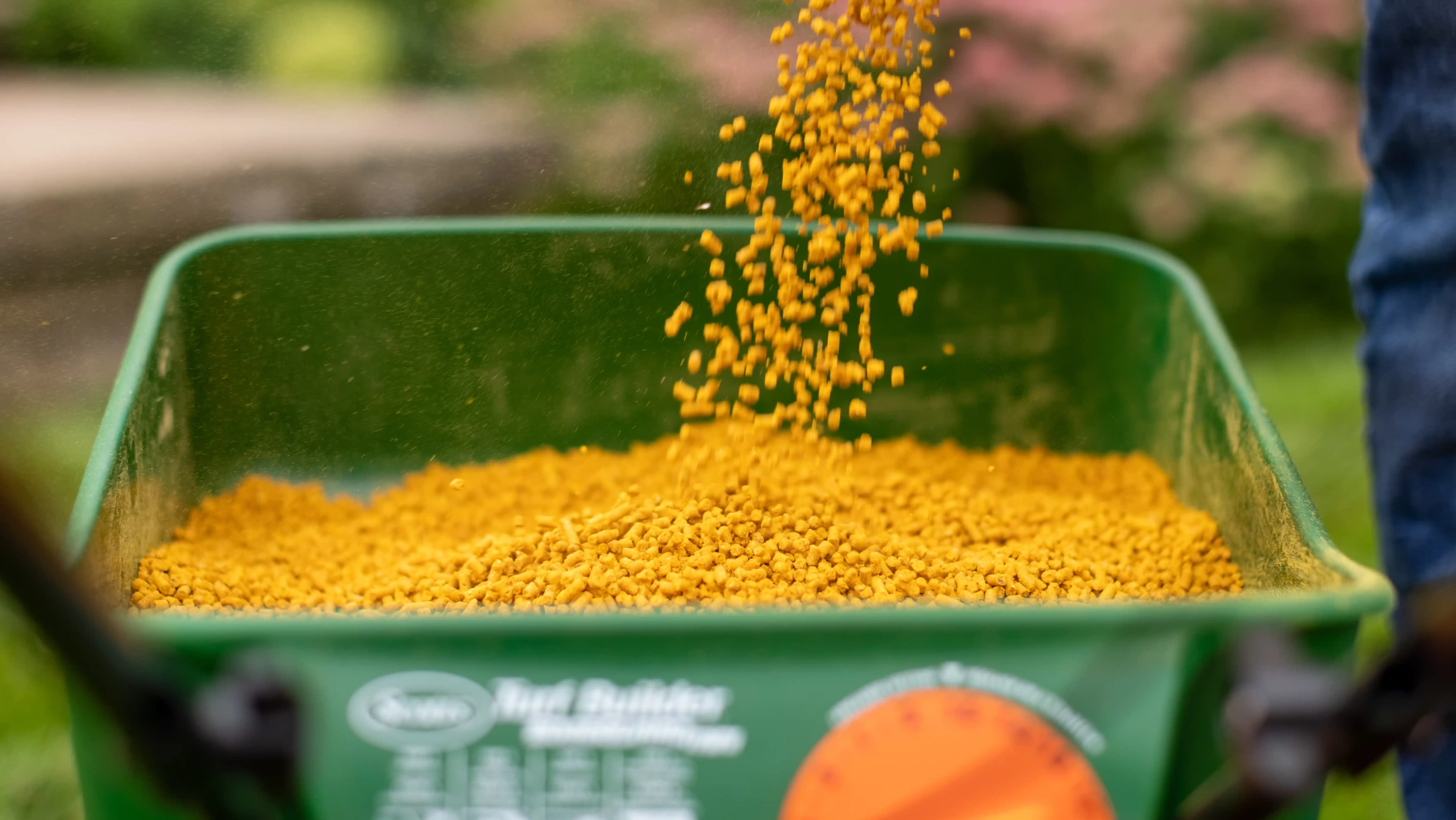
Corn gluten meal is a natural product derived from the processing of corn. In horticulture, it is used to support lawn health. Rich in nutrients, especially nitrogen and iron, corn gluten meal helps feed the lawn and promotes dense, vigorous growth.
How does corn gluten meal work on lawns?
Corn gluten meal has a dual action on lawns. First, it provides nutrients that help grass grow stronger and denser. A thicker lawn naturally leaves less space for weeds to settle in. Second, corn gluten meal works as a pre-emergent weed control. When applied at the right time and activated with moisture, it causes young weed seedlings to dry out before they can take root.
Corn gluten meal: An effective ally against crabgrass
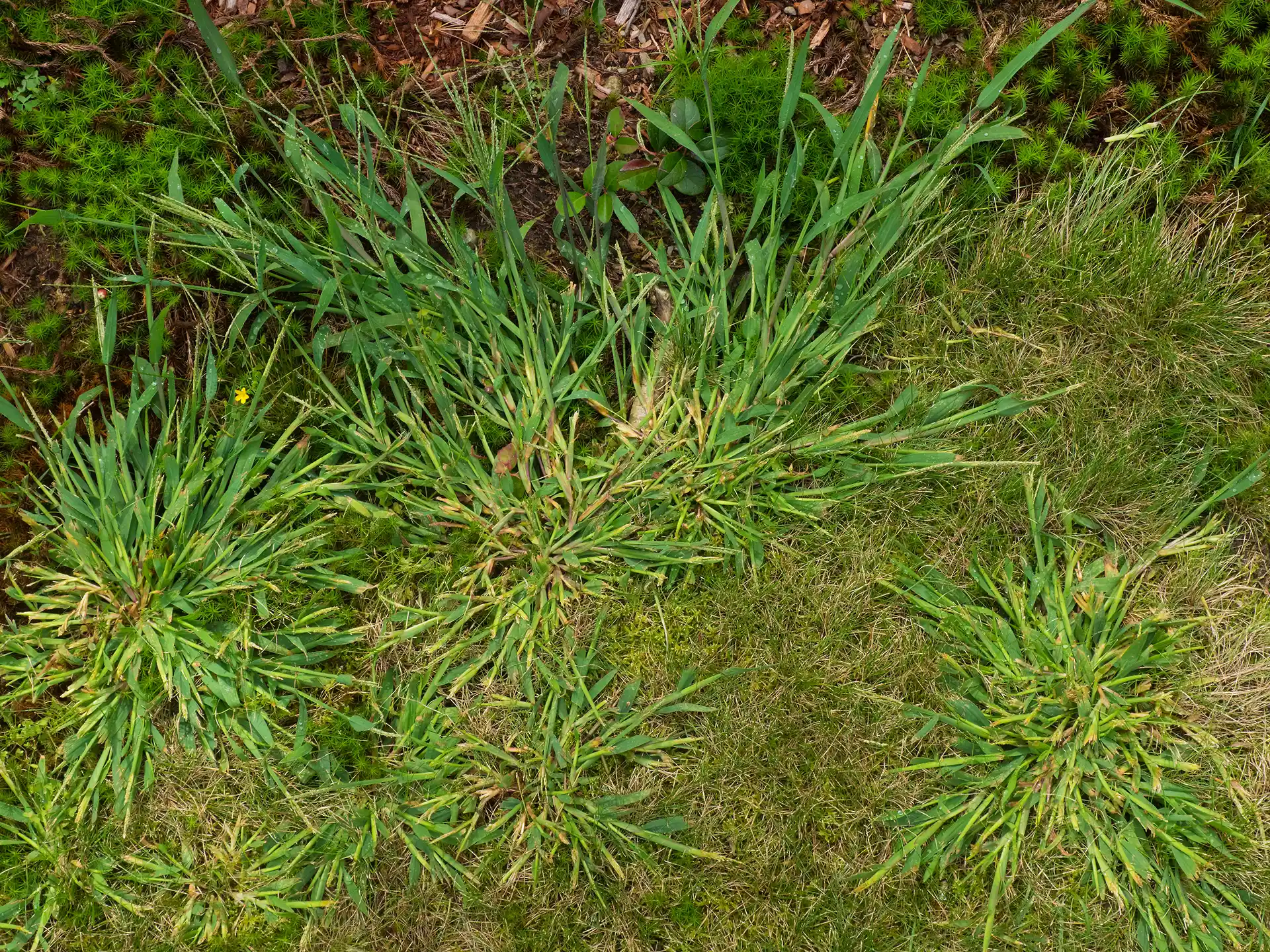
Corn gluten meal is especially effective against crabgrass, a common annual weed found in many lawns. As crabgrass germinates early in spring, it is particularly sensitive to corn gluten meal’s preventive action. Applied when the soil temperature reaches approximately
10°C, corn gluten meal helps limit this weed’s establishment and reduces its spread throughout the season.
For a more precise guideline to help identify the right application window, refer to the table below
What about dandelions?
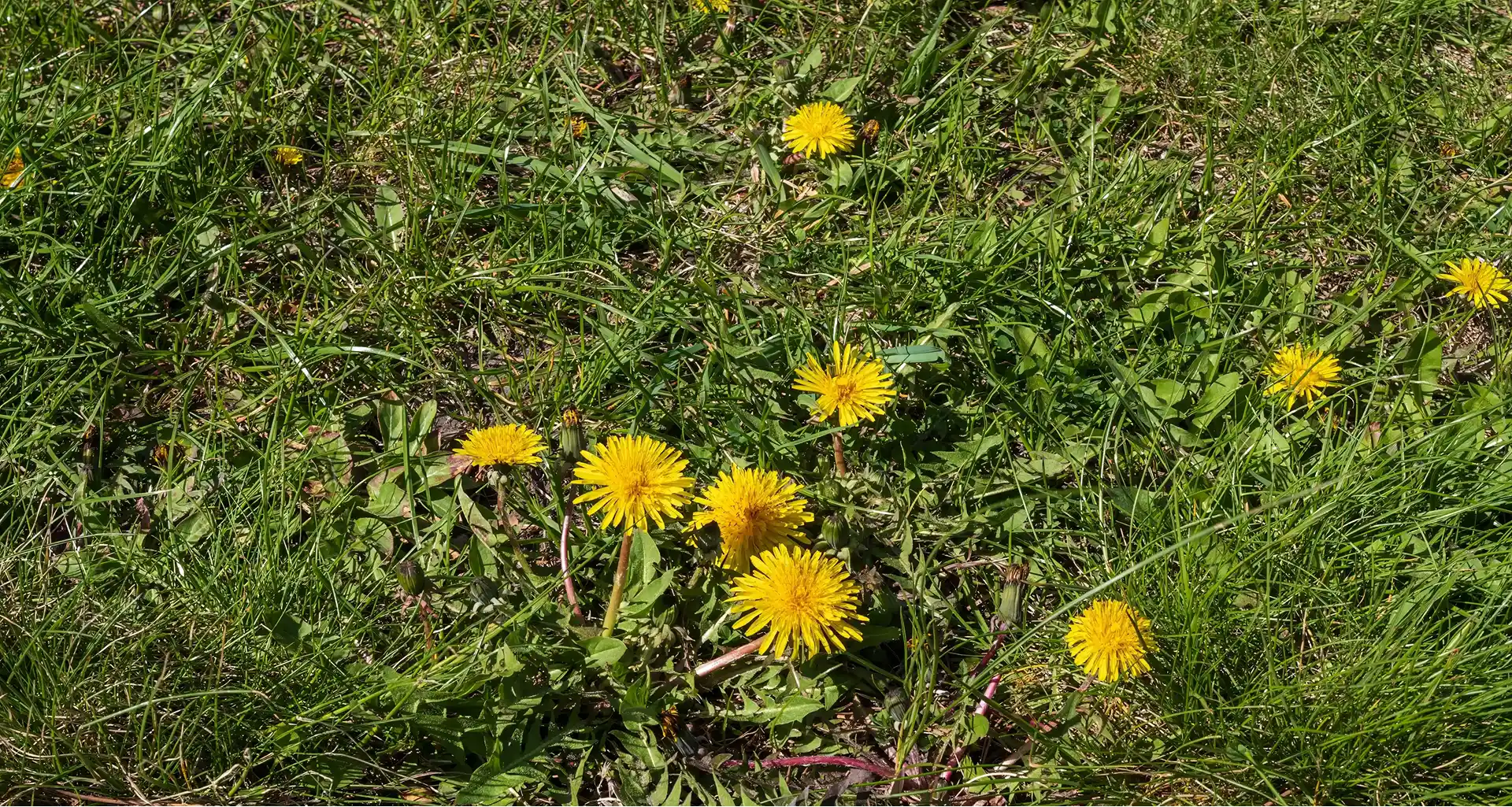
Unlike crabgrass, dandelions are perennial plants that appear very early in spring because they are already well established through their existing roots. Because corn gluten meal acts on seed germination, it has no effect on dandelions that are already established in your lawn.
However, when applied early in spring, it can help reduce the appearance of new dandelions that grow from seeds. For better long-term control, combine corn gluten meal with manual removal and lawn care that encourages thick, healthy grass.
Corn gluten meal works primarily on annual weeds. Results can vary depending on weather, soil conditions, and weed species, but it remains a valuable tool for long-term prevention.
When to apply corn gluten meal?

To get the best results with corn gluten meal, timing is key. As spring arrives, snow melts, and the lawn begins to wake up, it is time to start thinking about your first lawn care steps.
Rather than relying only on the calendar, it is best to monitor soil temperature, which triggers both grass growth and weed germination. As a general rule, when the soil reaches approximately 10°C, conditions become favourable for crabgrass germination. Remember: corn gluten meal must be applied before germination.
To help you identify the right moment, refer to the seasonal guidelines in the table below.
| Common weeds | April | May | June | July | August | September |
|---|---|---|---|---|---|---|
| Phenological indicator | 1st lawn mowing Soil = 6 °C |
Apple trees in bloom Soil = 12 °C |
Lilacs in bloom Soil = 18 °C |
|||
| Crabgrass (annual) | Germination | Growth | Growth | Death | ||
| Action | Apply corn gluten meal | Hand weeding | Hand weeding | Collect mowing clippings | Overseeding | |
| Dandelion (perennial) | Growth | Seed dispersal | Germination | Growth | Growth | Dormancy |
| Action | Hand weeding | Apply corn gluten meal Collect mowing clippings |
Hand weeding | Hand weeding | Overseeding |
Spring application
Spring is the key time to apply corn gluten meal. At this stage, it helps prevent the germination of annual weeds that spread by seed, such as crabgrass, lamb’s quarters, pigweed, plantain, and prostrate knotweed. Unfortunately, corn gluten meal does not control established perennial weeds or invasive species that spread through stolons or rhizomes, such as white clover, quackgrass, horsetail, or ground ivy. For these species, careful hand removal or covering the area with an opaque tarp to block sunlight is recommended.
Fall application (optional)
A second application in the fall can also be considered to help strengthen the lawn and reduce some late-season weed germination.
How to apply corn gluten meal to your lawn

The effectiveness of corn gluten meal depends on proper application timing and even spreading.
Here is how to use it as part of your lawn care routine
Step 1: Choose the right time
Apply corn gluten meal before weeds germinate, when the soil temperature is around 10 °C. Because the product remains active for several weeks, it is generally better to apply a little early than too late.
Step 2: Spread evenly
Use a fertilizer spreader for even coverage. Make two passes: one lengthwise and one widthwise. Apply half the recommended quantity during each pass to ensure uniform distribution.
Step 3: Water lightly to activate
Light watering helps activate the product and move it into the soil. If the soil is already moist or rain is expected within 24 to 48 hours, additional watering may not be necessary.
Step 4: Wait before overseeding
Do not overseed immediately after applying corn gluten meal. Wait six to eight weeks before seeding because the product may also affect grass seed germination.
5 common mistakes to avoid
To get the most out of corn gluten meal, avoid these common mistakes:
- Applying it too late, after weeds have already started to germinate
- Watering too heavily after application
- Using the wrong application rate
- Seeding at the same time or too soon after application
- Spreading the product unevenly
What you need for a successful application
Before getting started, taking a few minutes to gather the right tools can make all the difference. An effective application of corn gluten meal depends not only on timing but also on proper equipment.
Here is what you need to have on hand to care for your lawn.
Essential equipment
- Corn gluten meal
- Fertilizer spreader: Share it with your neighbours 😉
- Watering can or irrigation system
- Rake
For Complete Lawn Care
Essential equipment
Tip: If you apply corn gluten meal in spring, overseeding is often more effective in fall.
To learn more, see our guide: Seeding and Reseeding Your Lawn
Ready to get started?
Find a Fafard retailer near you
Why choose Fafard corn gluten meal
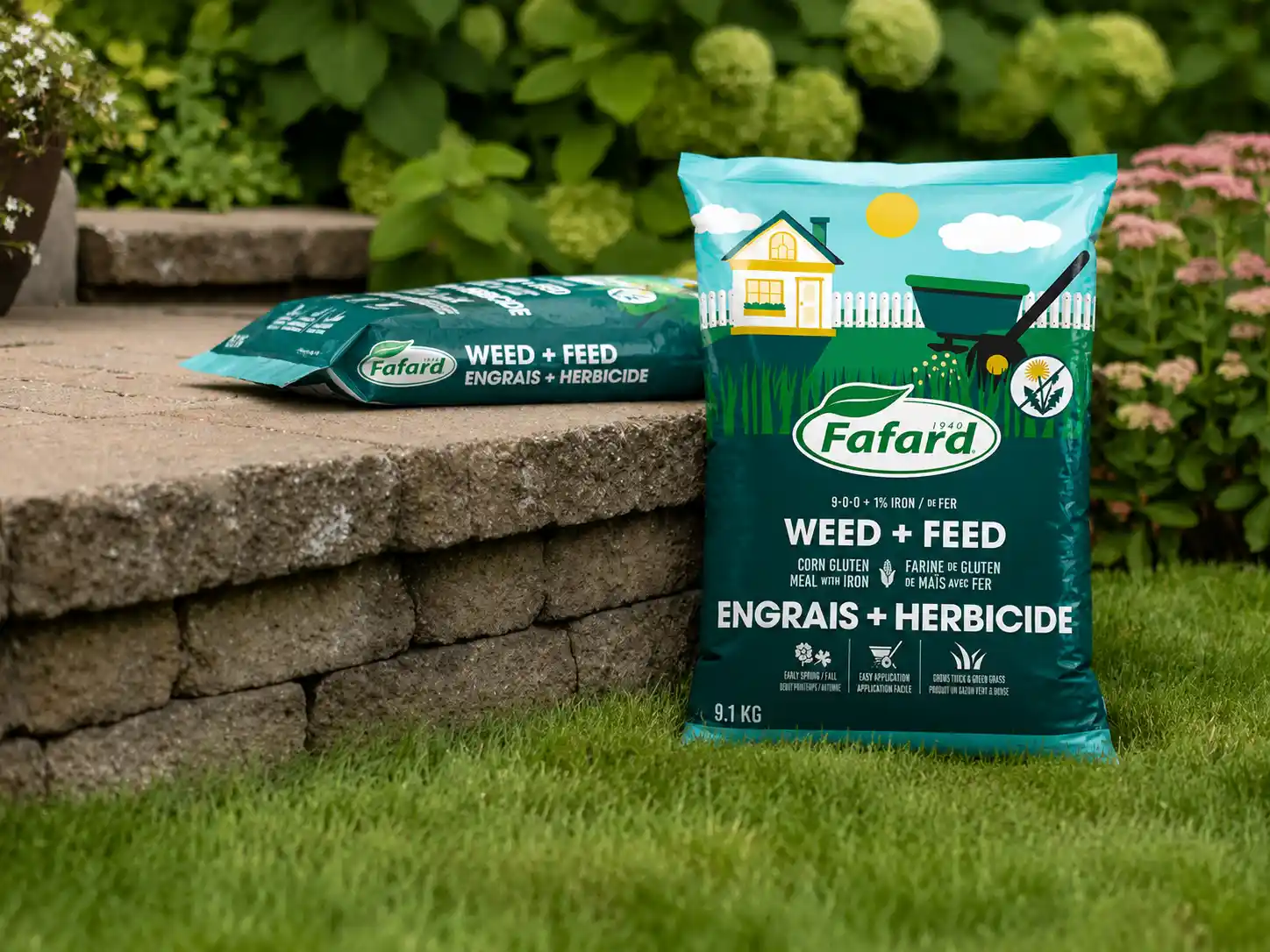
Made for local growing conditions
Fafard develops its products with Canadian climate realities in mind. This helps ensure reliable performance in a wide range of lawn and weather conditions.
The benefits of Fafard corn gluten meal
With its straightforward quality ingredients 98% corn gluten meal and 2% iron sucrate (50% elemental iron), Fafard corn gluten meal is a simple, practical, and effective addition to your seasonal lawn care routine.
By choosing Fafard corn gluten meal, you are choosing a lawn care solution that is easier to use, better adapted to local conditions, and designed to support long-term lawn health.
The benefits include the following:
- A thicker, stronger lawn
- Fewer weeds to manage
- Easy application as part of your seasonal lawn care routine
- A product suited to local soils and weather conditions
With corn gluten meal, you take action before weeds become a problem. At the same time, you help nourish the soil and support a dense, vigorous lawn season after season.
FAQs: Corn gluten meal for lawns
How do you apply corn gluten meal to a lawn?
Corn gluten meal is applied evenly across the entire lawn using a spreader with crisscross passes. Light watering after application is recommended to activate the product. Avoid seeding immediately afterward.
Does corn gluten meal prevent crabgrass?
Yes. When applied before germination, corn gluten meal can help prevent crabgrass from establishing in your lawn. It acts as a preventive herbicide, but it does not kill crabgrass that is already present.
Can corn gluten meal eliminate dandelions?
When applied early in spring, corn gluten meal can help reduce new dandelions that sprout from seed. However, it will not eliminate dandelions that are already established in the lawn. For best results, pair it with hand weeding and keep your lawn thick and healthy so dandelions have less room to grow.
Why use corn gluten meal on your lawn?
Corn gluten meal feeds the lawn with nitrogen while helping reduce the germination of certain weeds. It helps maintain a thicker, healthier lawn that is better equipped to compete with unwanted growth.
When should corn gluten meal be applied?
Corn gluten meal should be applied when the soil temperature reaches about 10°C, usually in spring. A second application can also be made in the fall to help strengthen the lawn.
How long should you avoid watering after application?
Once corn gluten meal has been applied and lightly watered in, avoid any additional watering or rain for 7 days. This dry period helps weed seedlings dry out and die.
Can corn gluten meal be used on a newly seeded lawn?
No. Corn gluten meal should not be used on a freshly seeded lawn because it can prevent grass seed from germinating.
How much corn gluten meal should you apply?
Apply approximately 50 to 100 g per m², or about 0.5 to 1 lb per 100 sq. ft. Always follow the manufacturer’s directions to ensure even, effective application.