
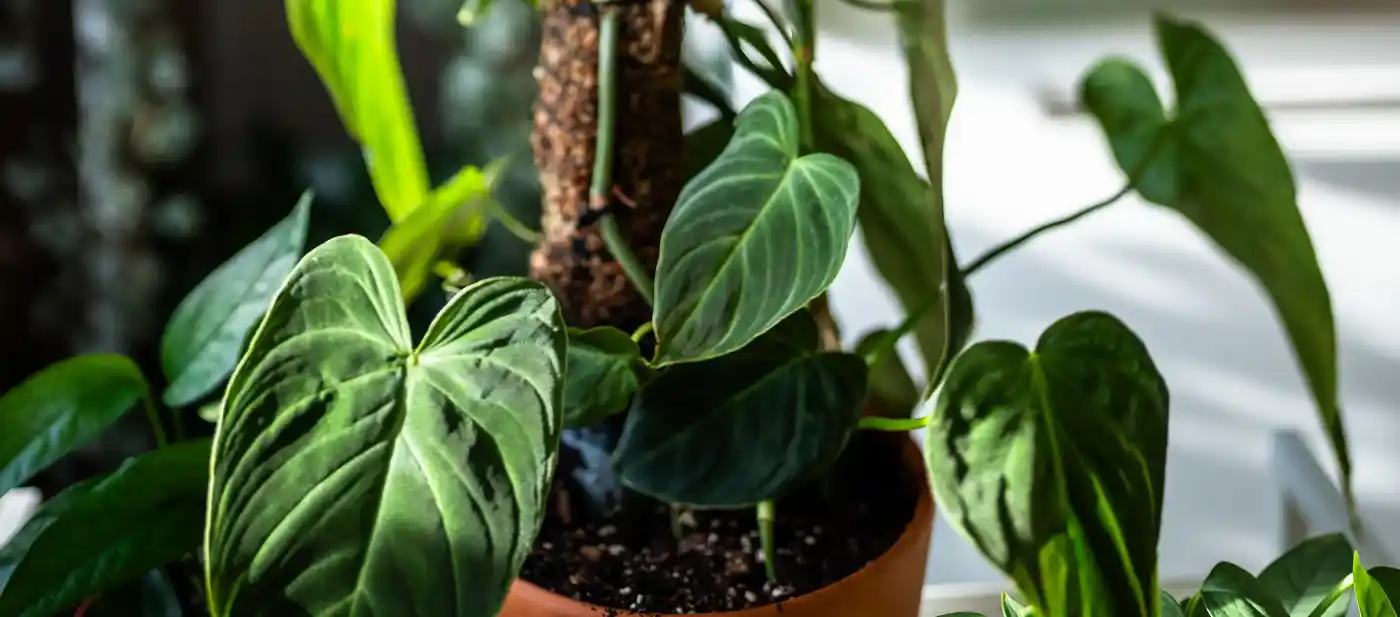
Sphagnum moss is a natural fibre that holds moisture without suffocating your plants’ roots. By combining water retention with aeration, it helps keep potting mix evenly moist and reduces the need for frequent watering. Sphagnum moss is therefore an excellent ally for making life easier for you—and your plants.
Key takeaways
Fafard All Purpose Sphagnum Moss promotes rooting in cuttings, works beautifully for air layering, and acts as a natural filter in terrariums by keeping potting mix separate from decorative stones. In kokedama, it neatly wraps the root ball while helping maintain consistent moisture. It can also be used to wrap or fill a moss pole for climbing plants.
What is sphagnum moss, and what is it used for?
Sphagnum moss is a 100% natural plant-based sponge-like material that grows mainly in peat bogs and moist forest understories. Known for its ability to hold up to 20 times its weight in water, it is a go-to choice for many horticultural applications. Its long fibres absorb and gradually release moisture while maintaining a light, airy structure, helping keep roots evenly moist without smothering them. Its slightly acidic pH makes it a great fit for many houseplants.
Comparison: Sphagnum Moss vs. Sphagnum Peat Moss
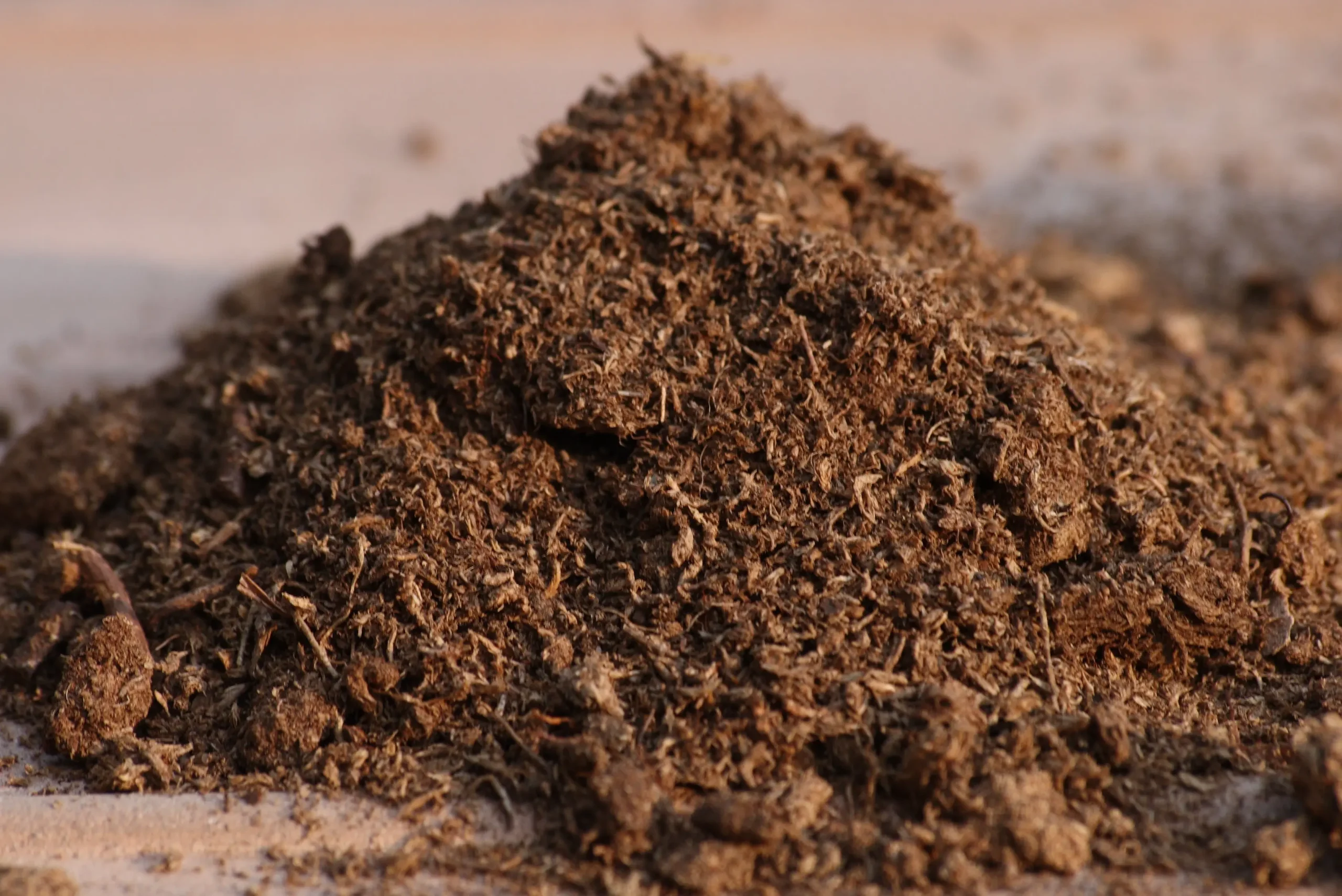
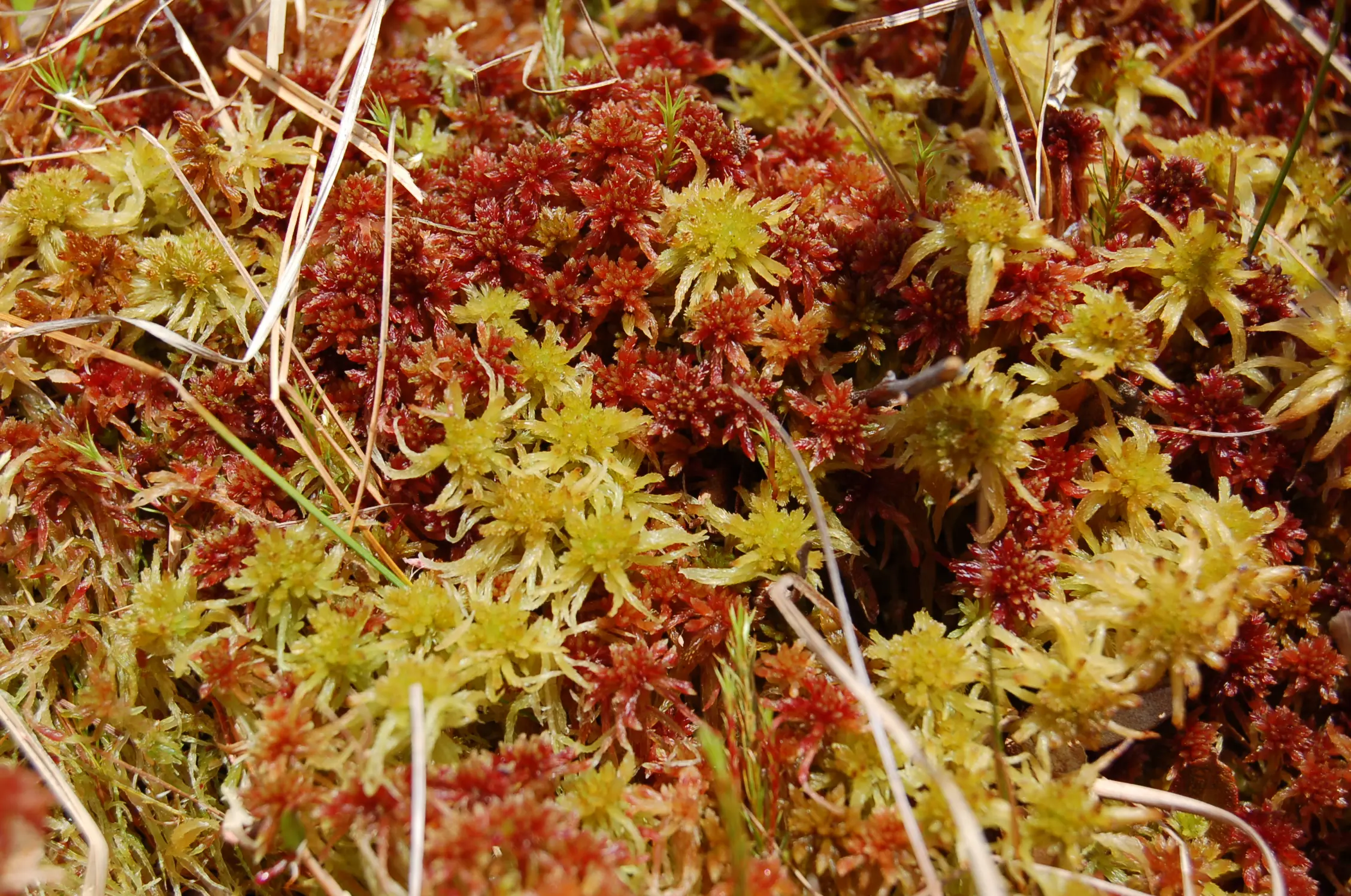
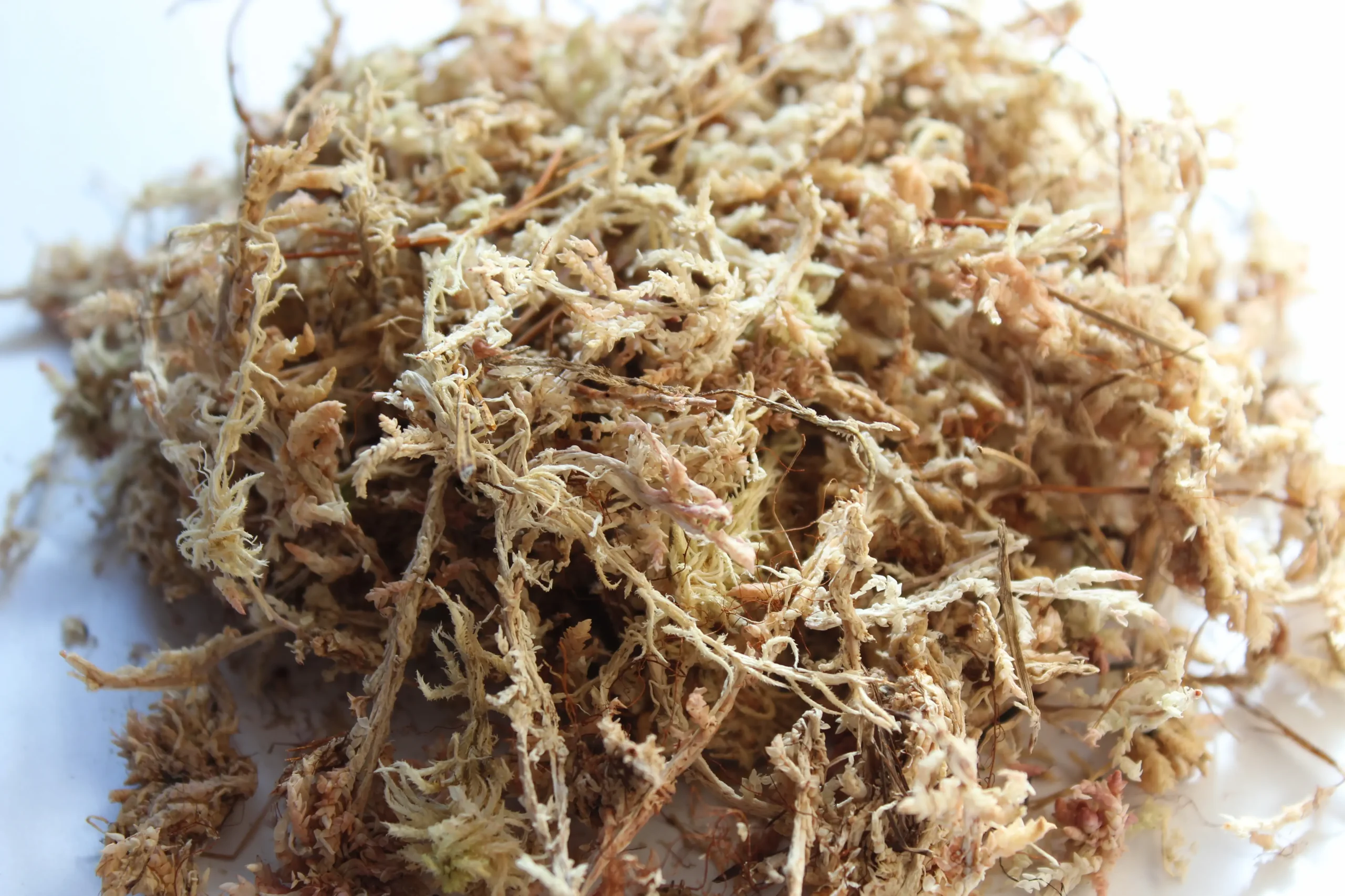
Do not mistake sphagnum moss for peat moss: Long-fibre sphagnum moss is different from sphagnum peat moss. Sphagnum moss is the harvested plant, whereas peat moss is the decomposed material. Peat moss is often used as an ingredient in professional horticultural potting mixes.
When to use sphagnum moss: Sphagnum moss is a great option when plants need more moisture around their roots or when you are working on plant projects that ask for a light, natural, absorbent, and versatile material. It is great for carnivorous plants, some orchids, cuttings, air layering, moss poles, terrariums, and decorative-plant projects.
Sphagnum moss: 9 little-known uses
1) Using sphagnum moss for indoor carnivorous plants—Beginner
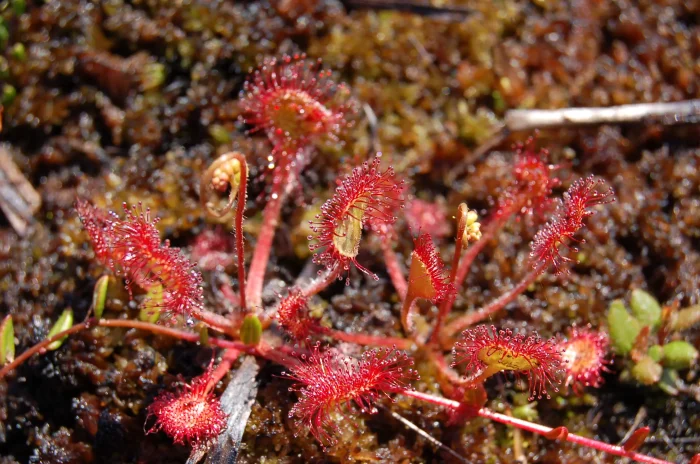
The Venus flytrap is a carnivorous plant that thrives in moist substrates based on sphagnum moss.
Sphagnum moss is an excellent choice for carnivorous plants such as Venus flytraps, sundews, and nepenthes. It helps maintain consistent moisture, promotes air circulation around the roots, and provides a slightly acidic environment—key conditions for healthy growth. In fact, it closely mimics their natural habitat: peat bogs.
2) Using sphagnum moss in a terrarium—Beginner
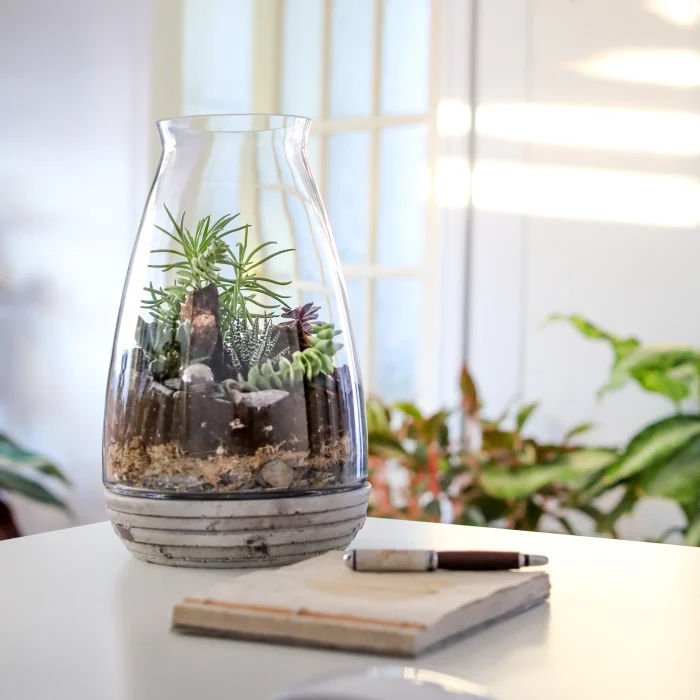
Terrarium containing a layer of sphagnum moss between the potting soil and the drainage stones.
Making a terrarium is an easy, rewarding project to do at home, whether you are gardening solo or with the family. In this type of setup, sphagnum moss is placed between the potting mix and the decorative stones. The moss works as a natural filter by keeping fine soil particles in place while allowing excess water to drain through to the stones below.
Want to make your own? Visit our blog, and watch the how-to video, How to create your terrarium, then find everything you need to get started:
3) Making a sphagnum moss pole—Beginner
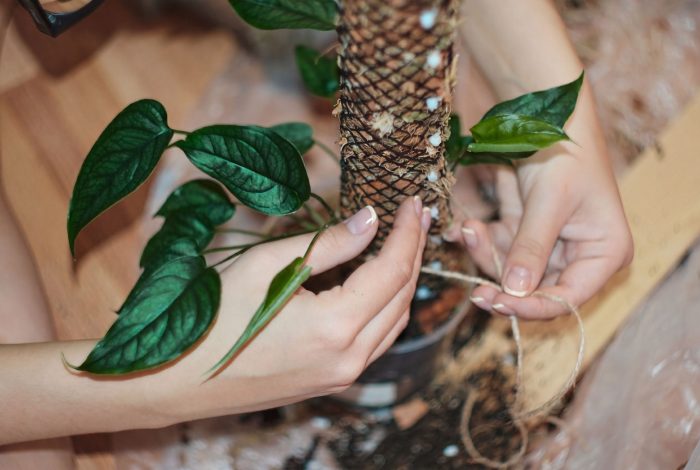
A moss pole made of sphagnum moss helps maintain humidity around the aerial roots of climbing plants.
A sphagnum moss pole is a must-have for climbing plants with aerial roots, such as monstera and pothos. Keep it consistently moist with regular misting or water added at the top. This recreates the humid conditions these tropical plants naturally love and encourages aerial roots to grip the pole, helping the plant climb while supporting healthier, more vigorous growth.
Learn how to make your own sphagnum moss pole by watching our step-by-step video:
4) Using sphagnum moss in hanging baskets—Beginner
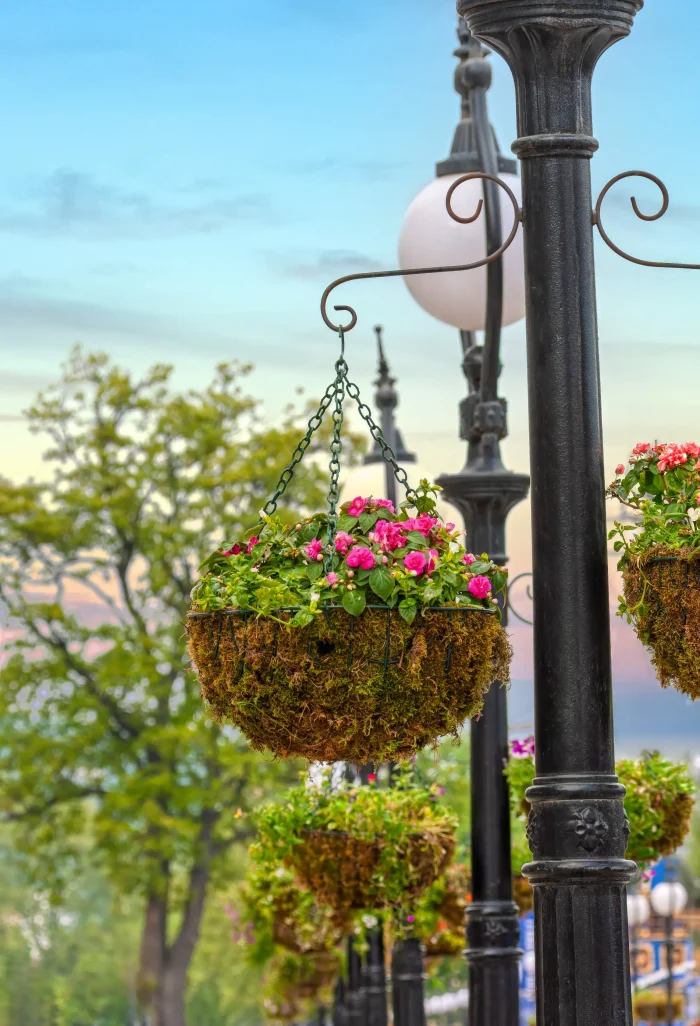
In a hanging planter, sphagnum moss acts as a natural filter between the potting soil and the coconut fiber.
In wire hanging baskets, sphagnum moss works beautifully as a middle layer between the coconut fibre liner and the potting mix. It acts as a natural filter by keeping soil particles from mixing with the coconut fibre, absorbing some of the rain or watering moisture for later release, and allowing excess water to drain away. The result is a well-drained hanging basket with more consistent moisture—and a setup that is 100% plastic-free.
5) Using sphagnum moss for decorative plant projects—Beginner
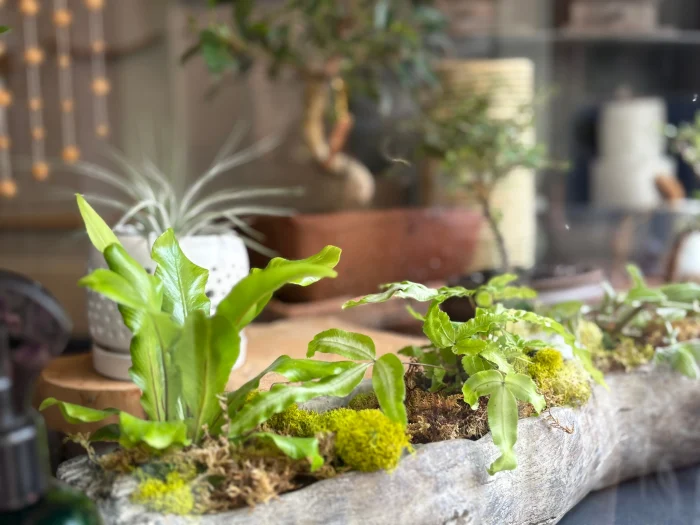
Sphagnum moss serves as a natural base for creating wreaths and long-lasting plant decorations.
Once moistened, sphagnum moss is a go-to material for decorative plant projects. It creates a soft, green covering for floral foam, wreaths, or the top of potting mix in indoor planters.
Learn how to make a succulent wreath with sphagnum moss, and find everything you need to bring your project to life:
How to make a succulent wreath with sphagnum moss
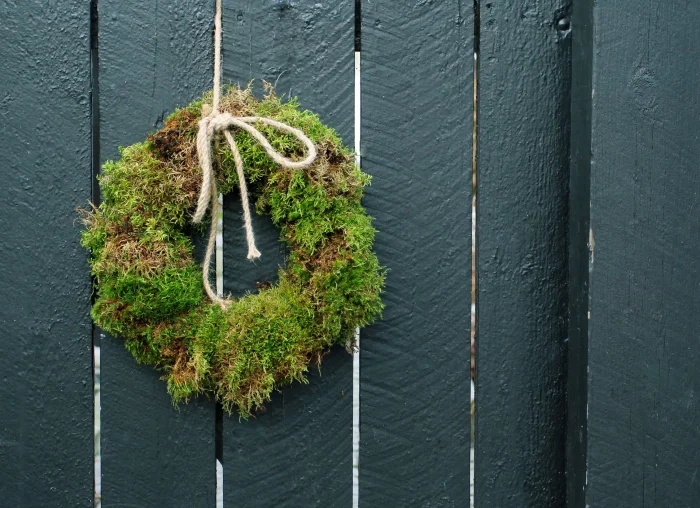
Sphagnum moss serves as a natural support for creating a succulent wreath.
What you’ll need
- Grapevine wreath
- Sphagnum moss
- Succulent plants
- Floral wire
Steps
- Soak the sphagnum moss, and gently squeeze out the excess water.
- Fill the openings in the wreath with the moss.
- Position the succulents in the moss.
- Use floral wire to secure the plants.
- Add a little more moss around the plants to hold everything in place.
6) Using sphagnum moss to repot orchids (Phalaenopsis and other epiphytes)—Beginner to Expert
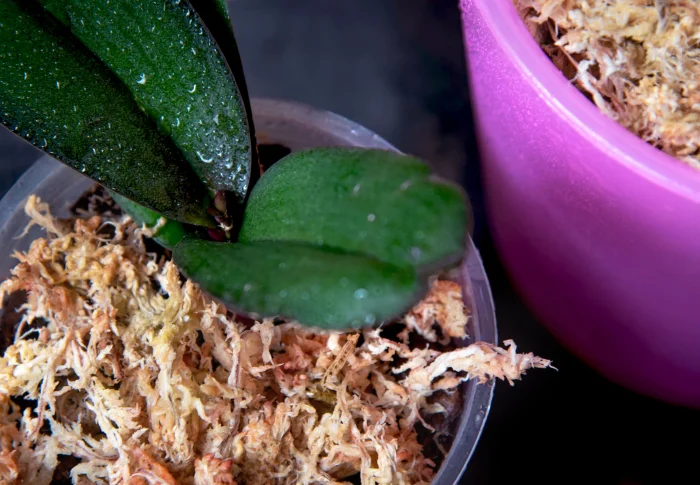
Sphagnum moss is valued for its ability to retain water without suffocating orchid roots.
If you are familiar with your orchids’ needs, pure sphagnum moss can be used to help regulate moisture around the roots. It surrounds the aerial roots and keeps humidity consistent, which is especially useful in the dry air of our homes. Place the moss loosely in a pot with drainage holes, water it well, and wait until the top feels dry before watering again. It is an excellent growing medium for spacing out waterings while maintaining the level of moisture orchids needs.
For beginner gardeners, Fafard Orchid Potting Mix is often the better choice. It is ready to use; makes repotting easier; and dries faster, which can be helpful if you tend to overwater.
7) Starting cuttings in sphagnum moss using a propagation box—Intermediate
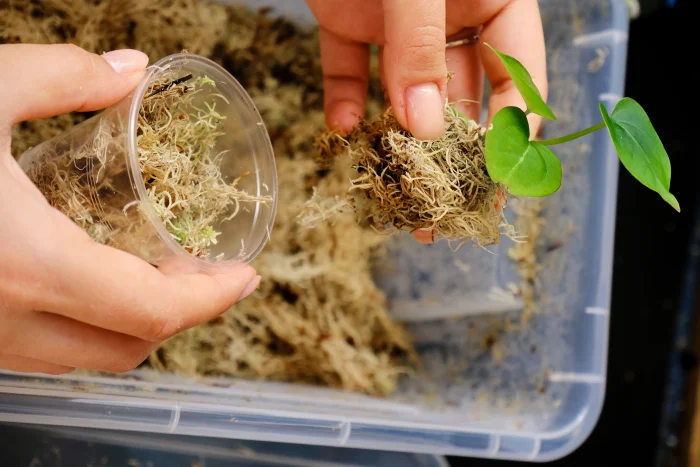
Sphagnum moss maintains a humid environment that promotes the rooting of cuttings.
This propagation method involves taking a stem cutting from the mother plant and placing it in a covered plastic container lined with sphagnum moss. The warm, humid conditions help the cutting develop new roots. Sphagnum moss works especially well here because it keeps the right level of moisture around the cutting without waterlogging it. Once the roots are established, the new plant can be repotted in potting soil.
Containers you can use
- Clear plastic bins with lids
- Recycled containers such as tomato, salad, or croissant boxes
This method relies on three key elements: consistent moisture, good airflow, and no direct sunlight.
How to propagate cuttings in sphagnum moss in 6 steps:
- Take a cutting just below a node, and remove the lower leaves.
- Moisten the sphagnum moss, and gently squeeze out any excess water.
- Place the cutting halfway into the moss without compacting it.
- Close the clear container and keep it at 22°C–26°C.
- Ventilate every other day to keep the moss fresh and lightly moist.
- Move the cutting into a suitable potting mix once the roots are about 3 cm long.
8) Kokedama: Using sphagnum moss as a decorative and protective layer—Intermediate to Advanced
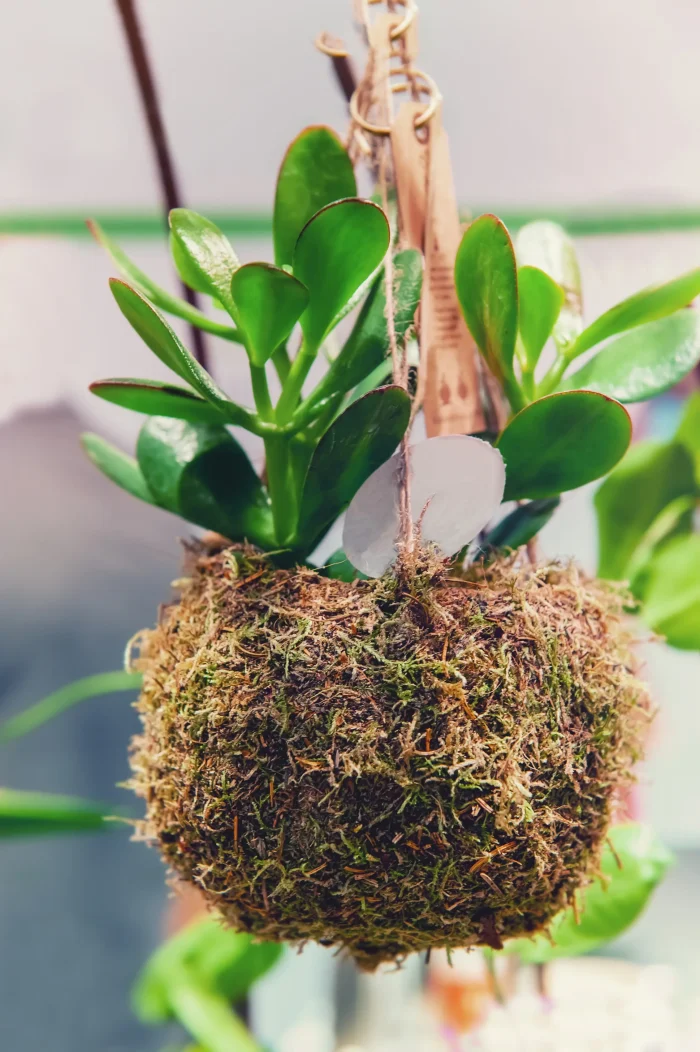
Sphagnum moss covers the root ball and helps maintain consistent moisture in a kokedama.
In a kokedama, sphagnum moss covers the root ball beautifully while helping keep moisture levels steady. Watering is done by soaking the ball, then letting it drain well. This technique is better suited to intermediate gardeners who are comfortable adjusting watering based on the plant’s needs and visible cues, rather than following a fixed schedule.
To make your own, follow the step-by-step instructions on our blog, and watch the tutorial:How to make a kokedama..
9) Using sphagnum moss for air layering—Advanced
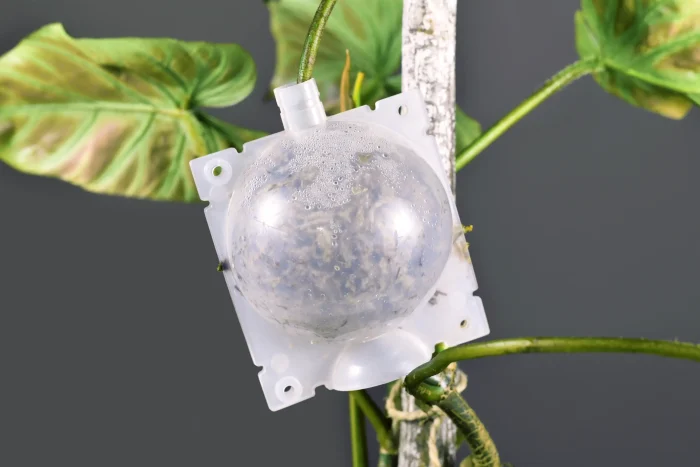
Air layering uses sphagnum moss to encourage the growth of new roots on a stem.
Air layering is a propagation technique used to grow roots on a stem that is still attached to the mother plant. It is often used to give a second life to houseplants that have become leggy or too tall, such as ficus, dracaena, dieffenbachia, and schefflera. Once the roots have developed, the stem can be cut and repotted to grow a new plant.
How to air layer: make a small cut in the bark using a disinfected knife. Keep the cut open with a toothpick. Apply moist sphagnum moss around the area, then wrap it in plastic film. Check it weekly to ventilate, and add moisture if needed.
How to get the most out of sphagnum moss: preparation and care
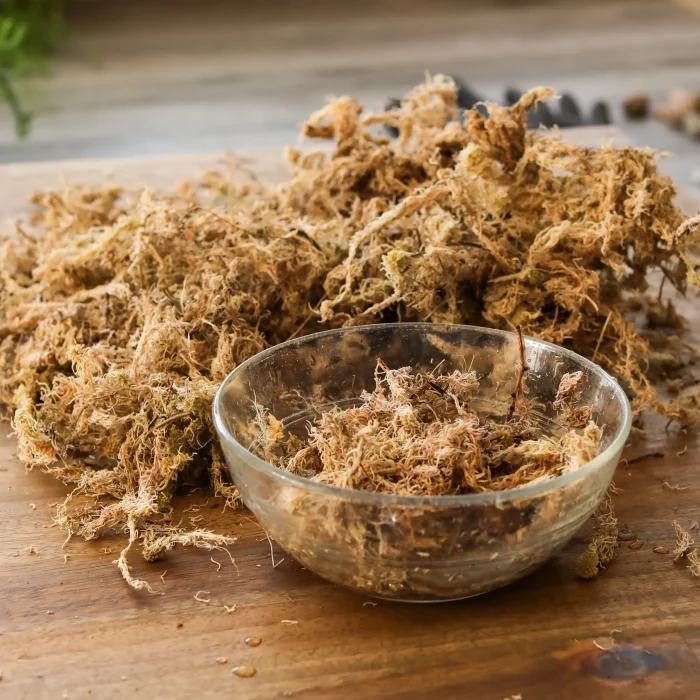
A well-prepared sphagnum moss retains moisture while allowing air to circulate around the roots.
Preparation
Soak the sphagnum moss in clean water, then gently squeeze out the extra moisture. Fluff up the fibres so they stay light and airy. The right texture should feel soft and fresh, without dripping water.
Care
Water the sphagnum moss when the fibres start to look lighter in colour and feel lighter to the touch. Good airflow is essential, so always use pots with drainage holes and avoid sealed containers without ventilation. Replace the moss once it loses its soft texture, starts to break down, turns dusty, or no longer holds moisture as effectively.
When not to use sphagnum moss
Sphagnum moss is not recommended for plants that prefer dry conditions, such as cacti. It is also not suited to mineral growing media that must dry out fully between waterings.
FAQs
What is sphagnum moss?
Sphagnum moss is a plant that grows in peat bogs. Its long, highly absorbent fibres retain water while still allowing good airflow around the roots of other plants. It is harvested, dried, and processed for horticultural use.
How do you use sphagnum moss?
Sphagnum moss can be used on its own for orchids, cuttings, and air layering or as a middle layer to hold potting mix in place while helping excess water drain away. It should always stay airy and never be packed down.
How do you use sphagnum moss for orchids?
Place the fibres loosely in a pot with drainage holes, then moisten them well without soaking them. Water again once the top of the sphagnum moss feels dry.
Can orchids grow in sphagnum moss only?
Yes, orchids can grow in sphagnum moss alone, as long as you follow three key principles:
- Use a very well-draining pot with several holes.
- Keep the sphagnum moss airy and never packed.
- Water moderately: Moisten it, then let the top dry before watering again.
How do you propagate cuttings in sphagnum moss?
Take a cutting just below a node, use hydrated and squeezed-out sphagnum moss, keep it in a ventilated container, and transplant it once the roots reach about 3 cm.
Can sphagnum moss be used in a terrarium?
Yes, sphagnum moss works well as a buffer layer between the potting mix and decorative stones.
Can you make a kokedama with sphagnum moss?
Yes, sphagnum moss wraps the root ball beautifully and helps maintain consistent moisture. Watering is done by soaking.
Can sphagnum moss be used as a top layer?
Yes, it can be applied in a thin layer of 5 mm to 10 mm to help slow evaporation.